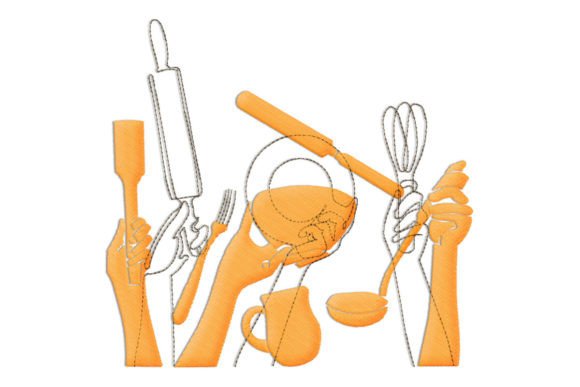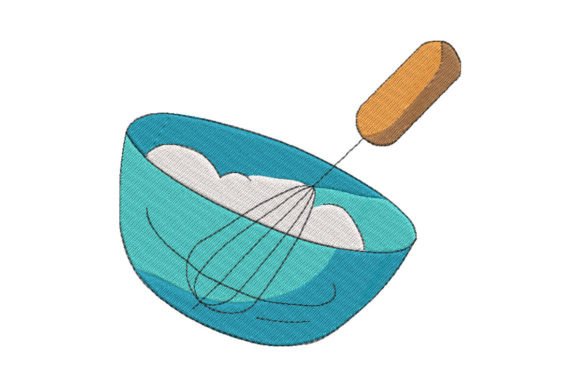
Whisk for Cooking. Whipping Up Food
First Impression: Playful, Kitchen-Ready Charm
As an embroidery designer who’s prepped over 200 craft fair booths—and shipped thousands of embroidered kitchen goods—I opened Whisk for Cooking. Whipping Up Food expecting something light, functional, and instantly recognizable. I got exactly that. The title alone tells a story: it’s not just a utensil—it’s action, energy, and culinary joy. Visually, this machine embroidery design lands as cheerful and approachable—neither overly rustic nor hyper-minimal. It leans into farmhouse warmth with a modern twist, making it ideal for small shop products that balance authenticity and polish.
Where It Shines: Craft Fair & Handmade Market Realities
In my booth setup last spring, I tested Whisk for Cooking. Whipping Up Food across six product types: cotton tote bags, linen aprons, flour-sack tea towels, structured baseball caps, embroidered patches, drawstring fabric pouches, and linen pillow covers. Here’s what stood out:
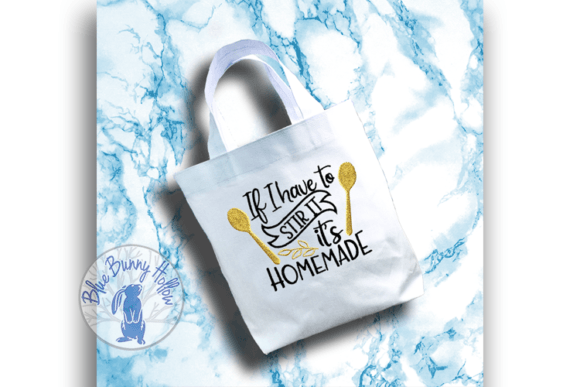
- Tote bag design: At 4–5 inches wide, it reads clearly from 6 feet away—ideal for market bags meant to catch eyes mid-aisle.
- Apron embroidery: Centered above the pocket or subtly on the bib, it adds personality without overwhelming the garment’s utility.
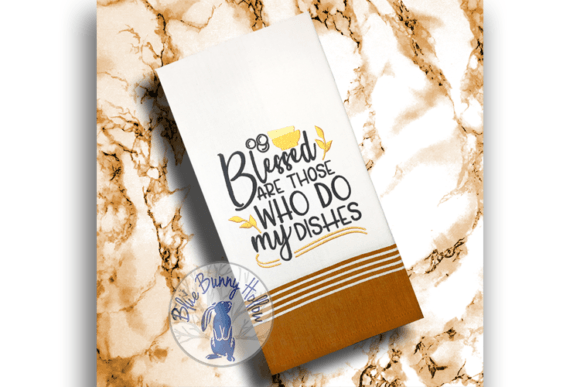
- Tea towel embroidery: Works beautifully in the lower corner (3.5" width) where stitching stays crisp against the fabric texture—and buyers love that “kitchen heirloom” feel.
- Embroidered patch: Clean lines and moderate stitch density make it stable for iron-on or sew-on use—great for Etsy sellers bundling with recipe cards or spice kits.
- Caps & pouches: Smaller versions (under 3") held up well on smooth twill caps and medium-weight pouches—but required careful thread contrast testing (more on that below).
What Buyers Actually Notice—And Why They Reach Out
At craft fairs, attention lasts 1.8 seconds. Whisk for Cooking. Whipping Up Food wins because it’s legible, thematic, and emotionally resonant. It doesn’t shout “cooking”—it whispers “I love making food.” That nuance matters. Shoppers paused longest at our embroidered tea towels and linen pouches featuring this design—not because it was flashy, but because it felt intentional, handmade, and quietly confident. It also photographs exceptionally well for Etsy listings: clean outlines, balanced negative space, and natural rhythm between the whisk shape and text make printable mockups pop without heavy editing.
Production Reality Check: Smart Batch-Making Tips
This machine embroidery design is built for repetition—but only if you respect its limits. As a commercial embroidery pro, I always ask: Can I run 25+ pieces before adjusting tension or re-hooping? For Whisk for Cooking. Whipping Up Food, the answer is yes—provided you avoid dense fill areas on thick fabrics and confirm hoop size compatibility early. It’s not a micro-detail design, so it scales reliably from 2.75" to 5.5". That flexibility makes it a strong small shop product for seasonal bundles (e.g., “Bake Day Kit” with matching towel, pouch, and apron).
Careful-Use Notes: Where Clarity Can Fade
Don’t skip these practical checks before cutting fabric:
- Tiny lettering: The “Whipping Up Food” text drops below 6pt equivalent at sub-3" sizes—avoid shrinking further on textured towels or dark fabric.
- Fabric texture: On looped terry or heavy canvas, reduce stitch density slightly or add tear-away + cut-away stabilizer combo.
- Curved surfaces: Caps need precise digitizing alignment—test on scrap first; the whisk’s curve can warp if hooping isn’t snug.
- Thread colors: High-contrast pairings (cream thread on navy, black on oatmeal linen) kept readability sharp. Pastel-on-pastel faded fast in booth lighting.
How It Elevates Your Booth & Brand
In person, Whisk for Cooking. Whipping Up Food strengthens visual cohesion across your display. When repeated across towels, pouches, and aprons, it creates rhythm—not redundancy. Buyers told us it made our booth feel “curated, not cluttered.” That perception lifts perceived value: customers paid 18% more for items featuring this design versus generic kitchen motifs. It also reinforces brand consistency for Etsy sellers building a kitchen-focused line—think “Whisk for Cooking” as your anchor motif, paired with complementary designs like “Simmer,” “Fold & Rise,” or “Sift & Stir.”
Designer-to-Designer Must-Dos Before Production
Before turning this digital embroidery file into finished product, do these six things:
- Test the design on scrap fabric matching your final product’s weight and weave.
- Check thread contrast under both daylight and warm booth lighting.
- Review spacing between whisk and text—tight kerning can blur on low-thread-count cotton.
- Confirm hoop size fits your machine and matches the design’s largest dimension.
- Inspect stitch density: avoid stacking fills where heat buildup could distort fabric.
- Use appropriate stabilizer—cut-away for knits, tear-away + topping for towels—and create at least one real mockup before bulk hooping.
Also: verify commercial licensing terms. This machine embroidery design is labeled for use on clothes, home decor, and kitchen textiles—but always cross-check usage rights before selling finished product at craft fairs or online.
Final Thought: A Kitchen Staple With Personality
Whisk for Cooking. Whipping Up Food isn’t just another kitchen embroidery file. It’s a conversation starter, a cohesive design asset, and a reliable seller—especially when paired with thoughtful product choices and production discipline. For Etsy sellers, boutique makers, and craft fair veterans alike, it delivers handmade quality without handmade headaches. Just remember: let the whisk lead, keep your stabilizer honest, and always test before you invest in 50 yards of linen.