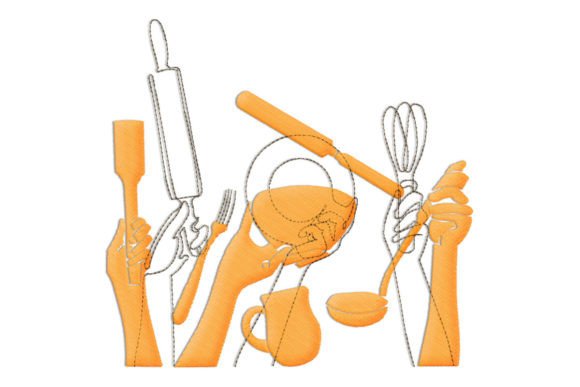
Kitchen Utensils Cooking
First Impression: Warm, Approachable, and Instantly Recognizable
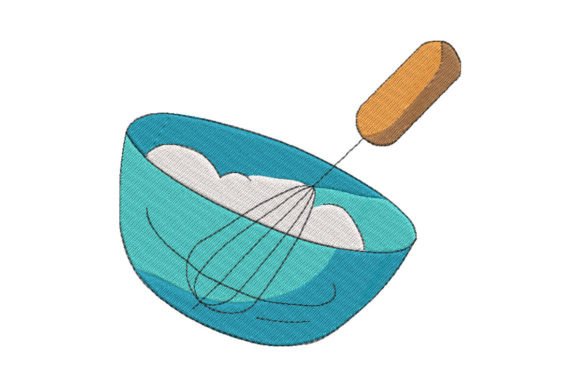
As an embroidery designer who’s prepped over 200 craft fair booths—from Portland maker markets to Nashville holiday bazaars—I opened Kitchen Utensils Cooking expecting a clean, functional motif. What I got was something more: a design that feels like a friendly nod to everyday cooking—neither overly rustic nor aggressively modern, but warmly grounded in kitchen life. It lands squarely in the “approachable handmade” sweet spot: clear enough for quick recognition at booth distance, detailed enough to reward closer inspection, and versatile enough to avoid pigeonholing into one aesthetic.
Where It Shines: Booth-Ready Product Pairings
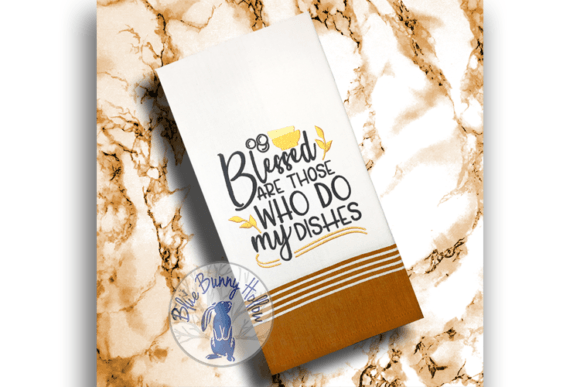
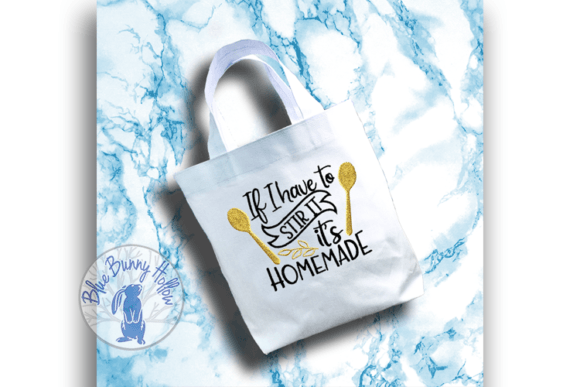
Kitchen Utensils Cooking thrives on products where utility meets personality—and where customers pause longer than three seconds. On a heavyweight cotton apron? Absolutely. The design reads clearly across the chest or pocket without competing with fabric texture. On a linen tea towel? Yes—especially when stitched in high-contrast thread (think navy thread on cream or charcoal on oat). As a tote bag design, it works best centered near the top third—not too small to miss, not so large it overwhelms the bag’s structure.
For embroidered patch applications, this design holds up beautifully if digitized with balanced stitch density—no floating stems or under-stitched outlines. On curved surfaces like caps or fabric pouches? Proceed with caution: test first. The shape of utensils (spatulas, whisks, spoons) can distort if hooping isn’t precise or stabilizer isn’t layered correctly. Pillow covers and tablemats offer ideal real estate—plenty of flat space, consistent tension, and natural framing for a cohesive handmade product look.
What Makes It Sell at Market Level
Craft fair shoppers don’t browse—they scan, connect, and decide. Kitchen Utensils Cooking passes the “glance test”: within two seconds, they know what it is, who it’s for, and why it belongs in their kitchen. That clarity translates directly to booth traffic flow. Unlike abstract motifs or overly cutesy food puns, this design feels intentional—not trendy, but timeless enough for repeat buyers.
It also scales well across price points. Stitched minimally on a $12 market bag? Feels elevated. Embroidered boldly on a $48 chef-style apron with custom thread colors? Reads as premium. And because it avoids tiny script or micro-details, it photographs cleanly for Etsy seller listings—no blurry mockups, no pixelated previews. A single printable mockup (cream towel + sage thread) often outsells three overdesigned alternatives.
Production Realities: What You Must Test Before Batch Runs
Even strong machine embroidery designs can falter in execution. Here’s what I checked before committing Kitchen Utensils Cooking to my fair lineup:
- Stitch density: Look for dense fill areas—especially around utensil handles or overlapping elements. Too much density on terry cloth towels = puckering. Lighten underlay or reduce fill angle if needed.
- Fabric texture: Works reliably on smooth cotton, linen, and duck canvas—but test on looped terry or textured burlap. Some versions may need tear-away + cut-away stabilizer combo.
- Thread colors: Avoid light thread on dark fabric unless the design has generous satin-stitch borders. Fine details (like whisk wires or spoon curves) vanish without contrast.
- Hoop size & placement: Confirm the largest version fits your standard hoop. If it pushes 5x7", consider simplifying for smaller items like patches or cap fronts.
- Commercial licensing: Since this is a digital embroidery file, verify usage rights before selling finished products. Not all sellers realize “for personal use only” files can’t legally go on Etsy or wholesale accounts.
Design Notes Every Embroidery Business Owner Should Keep Handy
Before stitching your first dozen craft fair products:
- Run a test on scrap fabric matching your final product—same weight, same wash history.
- Check thread contrast under both daylight and warm booth lighting. What looks crisp in your studio may fade under string lights.
- Review spacing between utensil elements. Crowded layouts lose legibility at arm’s length.
- Inspect jump stitches and trims—excess thread nests ruin the clean finish buyers expect from a small shop product.
- Create at least one physical mockup—not just digital. Drape it on your display rack. Does it hold attention beside your other bestsellers?
- Compare how Kitchen Utensils Cooking looks on light vs. dark fabric swatches. Sometimes the same thread color reads completely different.
Why This Design Strengthens Your Brand—Not Just Your Booth
In a sea of floral monograms and generic “Bake Sale” slogans, Kitchen Utensils Cooking quietly signals craftsmanship and culinary authenticity. It doesn’t shout—it invites. That builds trust with buyers who value intention over impulse. When repeated across your line—towels, aprons, pouches—it creates visual rhythm without monotony. And because it avoids seasonal clichés (no pumpkins, no snowflakes), it stays relevant year-round, supporting steady commercial embroidery output—not just holiday spikes.
Most importantly, it reflects well on *you*. Customers notice when embroidery sits flat, aligns precisely, and uses thoughtful thread choices. That perceived quality lifts your entire booth—even items without this design. In handmade markets, consistency isn’t about sameness. It’s about coherence. And Kitchen Utensils Cooking delivers exactly that: a reliable, resonant, production-smart embroidery file that earns its place front-and-center.