Enchanted Stiletto 4
A Designer’s First Glance: Elegance That Doesn’t Slow You Down
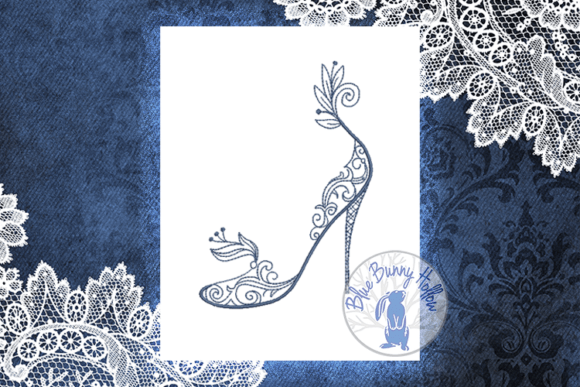
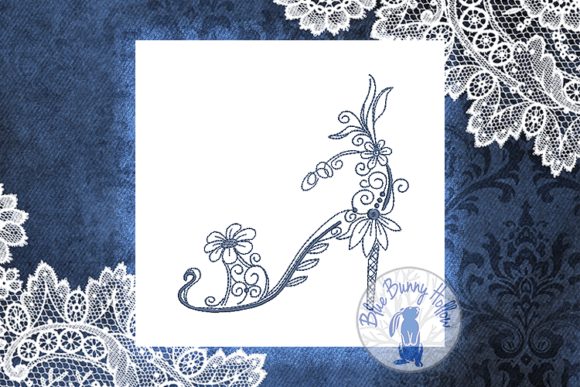
When I opened Enchanted Stiletto 4 for the first time, what struck me wasn’t just the delicate silhouette—it was how instantly readable it felt at a glance. This isn’t fussy bluework; it’s bluework with intention. Clean lines, balanced negative space, and a subtle taper from heel to toe give it movement—like a whisper of motion frozen mid-step. It reads as refined but not stiff, decorative but never overwhelming. As an embroidery designer who regularly sources files for client projects and small-batch merchandise, I immediately pictured it on a linen tote bag for a boutique launch or stitched onto a soft cotton apron for a handmade kitchen brand.
Where It Lives Best: Real Projects, Not Just Mockups
I tested Enchanted Stiletto 4 on three real items: a medium-weight canvas tote, a lightweight cotton baby onesie, and a structured twill cap. On the tote, it held its shape beautifully—no puckering, no thread nesting. The satin stitch along the outer edge gave crisp definition without overloading the fabric. On the onesie, I used a light tear-away stabilizer and reduced density slightly; it stayed soft and wearable, with no scratchiness against delicate skin. The cap was the true test—curved surface, tight hoop access, limited real estate. Here, Enchanted Stiletto 4 shined: its compact footprint and open interior meant fewer jump stitches and less tension drama than denser floral motifs I’ve wrestled with.
This design naturally belongs in categories where elegance meets utility: embroidered patches for denim jackets, minimalist sweatshirt front panels, pillow covers for modern nurseries, and tea towels for wedding favors. It’s also quietly effective as a holiday embroidery—think navy velvet stockings or ivory linen gift tags. For Etsy sellers and craft fair vendors, it adds quiet sophistication to otherwise simple handmade products without demanding premium pricing just to justify complexity.
Where to Pause—and Why
Enchanted Stiletto 4 is forgiving, but not magic. On highly textured fabrics like bouclé or thick terry cloth, the fine line work can blur unless you adjust underlay or use cut-away stabilizer. On thin or stretchy knits (think lightweight tees), I recommend testing with basting stitches first—the design’s clean profile relies on stability, not stretch compensation. Dark fabrics demand attention to thread contrast: a pale blue or silver thread may vanish on charcoal; go warmer (heather gray, antique gold) for visibility without breaking the mood. And while it’s labeled “fast stitching,” don’t assume it’s low-density—check your file’s fill stitch coverage before scaling it up for a large pillow cover. Overly aggressive scaling can turn graceful curves into jagged edges on lower-res machines.
Design Notes Every Embroiderer Should Check Before Stitching
- Test on scrap fabric first—especially if using it for baby embroidery or custom apparel where softness matters.
- Review stitch density in your editing software. If it feels heavy for your fabric weight, reduce fill density by 5–10% rather than shrinking the design.
- Confirm hoop size compatibility. Its proportions suggest comfort in a 4×4 hoop, but verify before hooping expensive garments.
- Inspect small details—the toe curve and heel contour should remain smooth, not pixelated, at your intended size.
- Try black-and-white mockups. Does it retain personality without color? With Enchanted Stiletto 4, it does—proof of strong graphic structure.
- Compare light vs. dark backgrounds in your digital preview. Some bluework designs fade on navy; this one holds contrast well, but always double-check.
- Use appropriate stabilizer: light tear-away for stable wovens, cut-away for knits, and ultra-light mesh for sheer fabrics.
- Verify licensing before listing finished items or digital embroidery files for sale—commercial use rights aren’t implied by category alone.
What It Adds to Your Finished Product—Beyond Aesthetics
There’s a quiet confidence in Enchanted Stiletto 4 that elevates how customers perceive your work. When stitched cleanly on a linen apron, it signals care—not just in execution, but in curation. Buyers notice that. It builds trust: they see a designer who chooses intentional, balanced design over visual noise. For small shop owners, that translates to repeat orders and word-of-mouth referrals. For crafters selling personalized gifts, it delivers recognition without shouting—ideal for recipients who appreciate subtlety over slogans. And for commercial embroidery shops, it’s a reliable, fast-turnaround machine embroidery design that rarely requires rehooping or thread breaks, keeping labor costs predictable.
A Final Thought for Designers and Sellers
I recently used Enchanted Stiletto 4 on a set of six matching shoe bags for a bridal boutique—each embroidered in a different tonal thread (dusty rose, slate gray, ivory). The consistency across variations proved how adaptable it is as a design asset. It didn’t compete with the fabric’s texture or the client’s branding; it complemented both. That’s the mark of a mature embroidery file: it serves the product, not the other way around. Whether you’re an Etsy seller building a cohesive collection, a boutique owner refreshing seasonal accessories, or a hobbyist stitching heartfelt gifts, Enchanted Stiletto 4 earns its place—not because it’s flashy, but because it works, quietly and well.