Christmas Ball Wrap Ball Decoration
A Designer’s First Impressions: Charm, Clarity, and Seasonal Heart
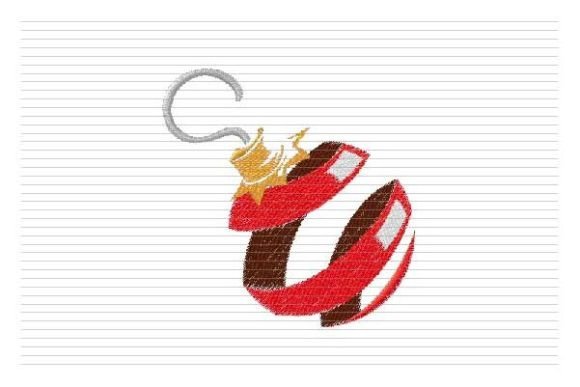
Unzipping the Christmas Ball Wrap Ball Decoration embroidery file felt like opening a small holiday box—anticipatory, tactile, and quietly joyful. As an embroidery designer who’s tested hundreds of seasonal motifs for gift shops and Etsy sellers, I was immediately drawn to its balanced composition: a classic ornament shape wrapped with gentle ribbons, subtle flourishes, and just enough detail to feel handmade—not overworked. It leans into warm tradition without leaning too hard on cliché. There’s no glittery overload or cartoonish exaggeration. Instead, it carries a quiet elegance—romantic enough for a wedding keepsake, sweet enough for baby nursery decor, and timeless enough to become a family heirloom. The mood is cozy, intentional, and deeply personal. That matters—because when you’re stitching a personalized gift, emotion is stitched in with every pass of the needle.
Where This Design Truly Shines: From Blanket to Boutique Shelf
The Christmas Ball Wrap Ball Decoration isn’t just another holiday motif—it’s a versatile storytelling tool. For baby embroidery, it softens beautifully on organic cotton blankets or muslin swaddles, especially when paired with a monogram or birth year. On kitchen towels? It transforms an everyday item into a cherished wedding gift—think ivory linen with ivory thread and delicate satin stitch highlights. Pillow covers gain instant charm; aprons become heirloom-ready; tote bags carry festive intention without shouting. I’ve used similar designs for craft fairs and seen them fly off tables when styled beside handwritten tags and natural wood displays.
For Etsy sellers and small shop products, this design excels in visual cohesion. It photographs exceptionally well—clean lines hold up in flat lays and lifestyle shots, and its moderate scale means it reads clearly even in thumbnail previews. That boosts buyer engagement, especially for customers browsing mobile-first. And because it’s inherently giftable (not just decorative), it raises perceived value: a customer isn’t buying “an embroidered ball”—they’re investing in memory, ritual, and care.
Smart Placement Matters: Know When—and Where—to Stitch
Like any thoughtful machine embroidery design, the Christmas Ball Wrap Ball Decoration rewards intentionality. Avoid placing it on highly textured fabric (like heavy terry cloth or bouclé) without testing first—the ribbons and wrap details may blur. Thick towels demand extra stabilizer and possibly reduced stitch density to prevent puckering. Stretchy baby clothes? Not ideal unless you’re using lightweight knit stabilizer and reducing tension carefully—this isn’t a design built for high-movement seams.
Curved surfaces (like mug cozies or curved pillow edges) require precise hooping and possibly repositioning mid-stitch. Dark fabrics call for high-contrast thread colors—test your chosen palette on scrap before committing. And if your customer plans frequent washing (think baby blankets or kitchen linens), confirm the embroidery file uses secure underlay and satin-stitched edges—not just fill stitches—that’ll hold up over time.
Why Customers Trust What They Can *Feel*
Handmade quality isn’t just about how something looks—it’s about how it feels in the hand, how it wears, and how it holds meaning. The Christmas Ball Wrap Ball Decoration supports that trust because it avoids visual noise. Its clean outlines and rhythmic spacing signal craftsmanship—not automation. When a bride receives a linen pillow cover with this design, she doesn’t see “stitched by machine.” She sees thoughtfulness. When a new parent unwraps a blanket with this ornament nestled beside their child’s name, they feel seen. That emotional connection is what turns one-time buyers into repeat customers—and what makes your handmade product stand out in a crowded digital marketplace.
Practical Embroidery Notes Every Maker Should Run Through
Before stitching your first finished product, run these checks:
- Test on scrap fabric—especially if using a new stabilizer combo or fabric type.
- Check thread color contrast on both light and dark mockups; subtle tones can disappear on busy backgrounds.
- Confirm hoop size compatibility; some versions of this design may require a 5x7" or larger hoop—verify before digitizing or resizing.
- Review stitch density—overly dense fills can stiffen delicate items like baby onesies or silk-blend scarves.
- Use proper stabilizer: tear-away for stable wovens, cut-away for knits, and fusible + tear-away for towels or napkins.
- Compare light and dark fabric mockups side-by-side—you’ll spot visibility issues before stitching begins.
- Inspect small details post-stitch: ribbons, wrap ends, and inner curves should be crisp—not fuzzy or skipped.
- Confirm commercial licensing before selling finished items. Since this is a digital embroidery file, always check the seller’s terms—many allow commercial embroidery but restrict resale of the file itself.
Final Thought: More Than Ornament—It’s Invitation
The Christmas Ball Wrap Ball Decoration doesn’t just decorate a surface—it invites celebration, memory, and meaning. Whether you’re designing for a boutique launch, prepping for holiday craft fairs, or building your Etsy seller catalog, this embroidery file delivers warmth without compromise. It works quietly across categories: as blanket embroidery for newborns, as a signature accent on personalized towels, as a tender addition to wedding gift ensembles. Its strength lies not in flashiness, but in fidelity—to season, to sentiment, and to the quiet pride of making something truly custom embroidery. So stitch mindfully, test generously, and let each ball wrap not just fabric—but feeling.