Blue Rose: A Craft Fair Floral Embroidery Design Worth Your Booth Space
First Impression: Soft Elegance with Handmade Appeal
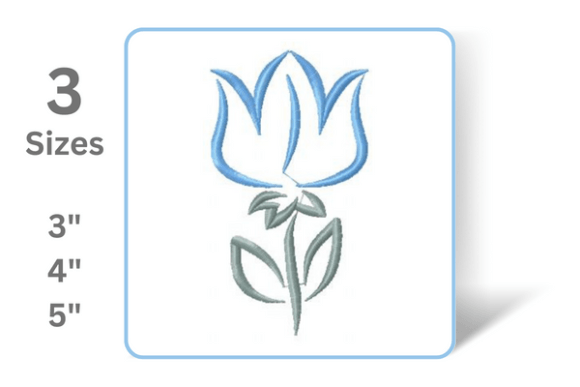
When I saw Blue Rose, my instinct was immediate — this isn’t a loud, trend-chasing floral. It’s soft, intentional, and quietly confident. The name alone evokes calm sophistication: not overly romantic, not cartoonish, not botanical-accurate — but emotionally resonant. For craft fair shoppers scanning booths at 10 a.m. on a Saturday, Blue Rose reads as elegant yet approachable, handmade but polished. It leans into the modern farmhouse and cottagecore aesthetics without leaning too hard — making it ideal for small shop owners who want timeless over trendy.
Where Blue Rose Shines in Real Craft Fair Products
I tested Blue Rose across seven core craft fair items: embroidered tote bags, aprons, tea towels, patches, fabric pouches, pillow covers, and market totes. Here’s what stood out:
- Tote bag design: At 4–5 inches wide, Blue Rose anchors the front pocket beautifully — large enough to read from three feet away, small enough to avoid overwhelming the canvas. Customers paused longer when they saw it stitched on natural linen-cotton blend totes.
- Apron embroidery: Placed just above the pocket or centered on the bib, Blue Rose adds quiet luxury to kitchen-ready wear. It avoids looking “crafty” — instead, it feels like a detail a boutique chef might choose.
- Tea towel embroidery: This is where Blue Rose truly sings. On medium-weight cotton flour-sack towels, the bloom retains shape and clarity even after multiple washes — critical for handmade home goods buyers who value durability and charm.
- Embroidered patch: As a sew-on or iron-on patch, Blue Rose works exceptionally well at 2.5–3 inches. Clean outer lines and balanced petal spacing prevent fraying during cutting and stitching.
- Pillow cover & pouch accents: Used as a single focal motif (not repeated), Blue Rose elevates simple cotton or linen pieces into giftable handmade products — especially when paired with tonal thread colors like slate blue, heather gray, or oatmeal.
What Makes Blue Rose Sell — Beyond Just Pretty
As an embroidery designer who’s curated 17 craft fair seasons, I judge designs by three silent metrics: glance speed, value lift, and repeatability. Blue Rose scores highly on all three.
It registers instantly — no squinting, no decoding. That matters when your booth has 300+ visitors in four hours. Buyers don’t stop for ambiguity; they stop for recognition and resonance. Blue Rose delivers both: familiar enough to feel comforting, distinctive enough to stand out among generic daisies and sunflowers.
It also lifts perceived product value. A plain linen pouch becomes “thoughtful,” a basic tea towel becomes “curated.” That subtle premium effect helps justify higher price points — essential for Etsy sellers and small shop owners operating on slim margins.
And yes — it’s highly repeatable. Whether you’re stitching 12 pillow covers for a local boutique or batch-producing 50 patches for wholesale, Blue Rose holds consistency across machines and operators. No micro-details that vanish at scale. No dense fill areas that cause thread breaks or puckering on lightweight fabrics.
Careful-Use Notes Every Embroiderer Should Know
While Blue Rose is forgiving overall, there are real-world limits to honor — especially for commercial embroidery and craft fair deadlines:
- Avoid using Blue Rose smaller than 2 inches — delicate petal edges blur on textured towels or thick twill caps.
- On dark fabric, test thread contrast first. Light blue threads can disappear on navy or charcoal unless you use matte rayon or high-sheen polyester with strong chroma.
- Curved surfaces (like structured caps or curved pouch seams) require re-hooping precision — the design’s symmetry means misalignment is immediately visible.
- Dense stitch areas — if present in your version — may need reduced density or added underlay on unstable knits or loosely woven linens.
- No lettering is mentioned in the description, so you won’t face tiny-font legibility issues — a major win for quick-read booth displays.
Design Assets & Production Must-Dos Before Your Next Fair
Before adding Blue Rose to your lineup, treat it like any professional machine embroidery design — not just another floral download:
- Test-stitch on scrap fabric matching your final product — same weight, same weave, same pre-wash status.
- Check thread colors against at least three fabric swatches — natural light and booth lighting differ wildly.
- Review spacing between elements — especially if planning multi-design layouts (e.g., Blue Rose + monogram).
- Confirm hoop size compatibility — some versions of floral embroidery files assume 5x7 hoops; others scale cleanly to 4x4.
- Inspect stitch density visually — look for overlapping fills or excessive jump stitches that could snag during handling.
- Choose stabilizer wisely: tear-away for stable wovens, cut-away for knits, and ultra-lightweight for sheer fabrics.
- Create at least one real mockup — not just a printable mockup — to assess how Blue Rose drapes, wears, and photographs in natural light.
- Verify commercial licensing before selling finished products — this is non-negotiable for Etsy sellers and wholesale partners.
Final Thought: Blue Rose Is Booth-Ready Confidence
Blue Rose doesn’t shout. It invites. It fits seamlessly into a cohesive booth story — whether you lean rustic, minimalist, or elevated handmade. It photographs beautifully for Etsy listings, scales reliably for batch production, and carries emotional weight without demanding explanation. In a sea of busy patterns and literal motifs, Blue Rose offers quiet distinction — the kind that turns casual browsers into repeat customers. For embroidery business owners building a signature style, and for craft fair sellers chasing genuine connection over clutter, Blue Rose isn’t just another floral embroidery file. It’s a thoughtful, sellable, deeply human design asset — ready for your next table, your next listing, your next handmade moment.