Pumpkin Spice is So Nice
First Impression: Warm, Inviting, and Instantly Recognizable
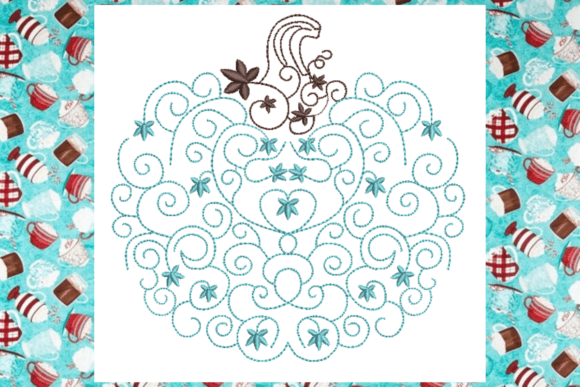
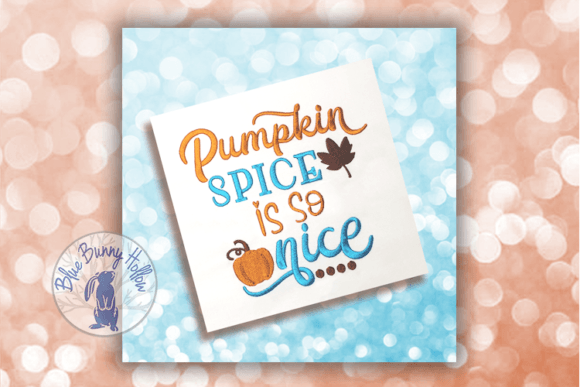
As an embroidery designer who’s prepped over 200 craft fair booths in the past decade, my gut reaction to Pumpkin Spice is So Nice is immediate: it’s a mood—not just a design. It lands as cozy, friendly, and authentically autumnal without leaning into cliché. The title alone sparks recognition and nostalgia, while “charming pumpkin and stylish leaf” suggests balanced composition—not too fussy, not too sparse. It reads as modern farmhouse with soft elegance, making it equally at home on a linen tea towel or a structured cotton tote. That duality is gold for handmade sellers: it attracts both gift buyers seeking warmth and collectors drawn to refined details.
Where It Shines: Craft Fair Product Realities
In a crowded market aisle, Pumpkin Spice is So Nice performs strongest where legibility, emotional resonance, and tactile appeal converge. On a natural canvas tote bag? Perfect—centered above the pocket or scaled large across the front, it reads clearly from six feet away. As apron embroidery? Ideal placement is upper left chest—small enough to feel intentional, large enough to catch light and conversation. For tea towel embroidery, it shines best on the lower corner or centered near the hem: the pumpkin adds visual weight without overwhelming the fabric’s utility.
As an embroidered patch, this design holds up beautifully—especially when fused onto denim jackets or market bags. Its clean outlines and moderate detail translate well to iron-on or sew-on formats. On small pouches and pillow covers? Yes—but only if stitched at 3.5"–4.5" wide. Smaller than that, and the lettering risks blurring; larger, and the leaf motif gains graceful breathing room. For caps? Proceed with caution: curve distortion can soften the “spice” text unless digitized with cap-specific underlay and reduced density.
Photography & Online Appeal: Why Etsy Sellers Will Love It
Pumpkin Spice is So Nice photographs exceptionally well—especially against creamy oat, warm terracotta, or charcoal linen. Its balanced negative space lets backgrounds recede, putting focus squarely on stitch texture and composition. That makes it ideal for printable mockups: no complex shadows or lighting tricks needed. As a digital embroidery file, it supports strong Etsy listings because the title is search-friendly (think “pumpkin spice embroidery,” “fall machine embroidery,” “autumn tote bag design”) and emotionally sticky. Buyers scrolling fast will pause—not just because it’s seasonal, but because it feels *handmade*, not mass-produced.
Batch Production & Booth Readiness
This design is highly repeatable. Moderate stitch density means consistent results across 50+ tea towels or 30 aprons—no thread breaks or puckering if stabilizer and tension are dialed in. It’s also forgiving across fabric textures: works on medium-weight cottons, brushed twill, and even lightweight canvas. But avoid dense terry cloth towels—the loop pile swallows fine leaf veins. And on dark fabrics? Confirm thread colors contrast strongly—cream or mustard yellow pops better than pale tan.
Careful-Use Notes Every Embroiderer Should Know
- Lettering clarity: “Pumpkin Spice is So Nice” uses friendly serif or rounded sans-serif styling (based on typical autumn digitizing). At under 2.75", the “i” dots and thin stems may merge—test on scrap first.
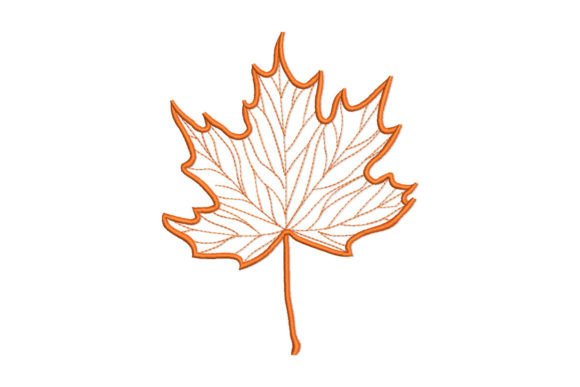
- Leaf detail: If the leaf includes veining or subtle gradients, check stitch density. Overly dense fills cause stiffness on soft fabrics like chambray or quilting cotton.
- Hoop size: Most versions will fit comfortably in a 4x4 hoop—but verify before cutting dozens of stabilizer sheets. A 5x7 version offers more layout flexibility for larger products like pillow covers.
- Curved surfaces: Caps and curved market bags require re-hooping or specialized cap frames. Don’t assume a flat-hooped file will adapt seamlessly.
- Fabric texture: Highly textured toweling or bouclé yarn-dyed linens may obscure delicate stem lines. Opt for slightly bolder outlines in those cases.
Design Impact Beyond the Stitch
Pumpkin Spice is So Nice elevates perceived value instantly. Customers don’t just see embroidery—they see intention, seasonality, and care. On a booth table, it strengthens visual cohesion: pair it with cinnamon-scented soap, dried orange slices, and amber glass jars, and your display tells a full sensory story. It also reinforces brand consistency for small shop owners—if you use it across totes, patches, and tea towels, buyers recognize your aesthetic instantly. That builds trust, encourages repeat visits, and fuels word-of-mouth (“Did you see that pumpkin spice tote at the fall fair?”).
Pro Designer Checklist Before You Stitch
- Test the embroidery file on scrap fabric matching your final product—same thread, same stabilizer, same hoop size.
- Check thread contrast on both light and dark base fabrics. Swap thread colors if needed—mustard, burnt sienna, and deep sage read richer than basic orange.
- Review spacing between letters and elements. Tight kerning looks sharp on screen but can bleed on fabric.
- Inspect stitch density—especially in the pumpkin’s ribbing and leaf stem. Adjust if your machine struggles or fabric puckers.
- Use cutaway or tear-away stabilizer appropriate for your fabric weight. Skip fusible web unless the design is fully tested for heat sensitivity.
- Create at least one real mockup—not just a digital preview. See how light hits the stitches in person.
- Compare how the design reads on multiple fabric colors. A pumpkin in rust reads warmer on cream than on ivory.
- Confirm commercial embroidery rights are included if selling finished products. This is non-negotiable for Etsy sellers and boutique makers.
Bottom line: Pumpkin Spice is So Nice isn’t just another autumn embroidery file—it’s a versatile, emotionally resonant, craft-fair-ready asset. When executed thoughtfully, it turns everyday handmade products into keepsakes, boosts booth dwell time, and quietly signals quality to discerning buyers. For embroidery business owners and creative entrepreneurs, it’s less about stitching a pumpkin—and more about delivering the feeling of coming home to fall.