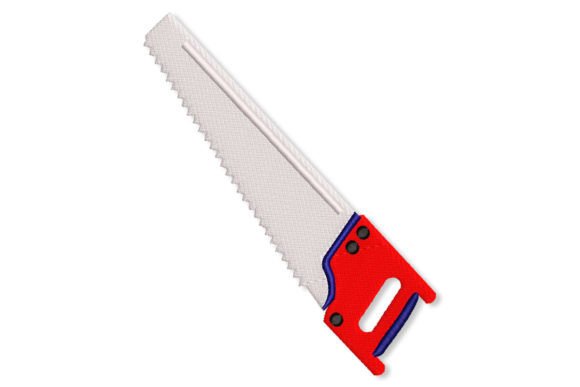
Hand Saw Embroidery Design Review
A Rustic, Nostalgic Touch for Seasonal Work-Themed Collections
As an embroidery designer who’s built holiday collections for Etsy sellers, craft fairs, and small-batch apparel brands for over 12 years, I approached Hand Saw with a very specific question: “Does this feel like a *real* seasonal product—not just a novelty, but something customers will buy as a handmade gift, wear proudly in December, or display year after year?” The answer is yes—but with thoughtful placement and context. Hand Saw lands firmly in the rustic, nostalgic, and quietly confident lane: think cozy workshop vibes, heritage tool aesthetics, and subtle pride in craftsmanship. It’s not flashy or cartoonish—it avoids cuteness in favor of quiet authenticity. That makes it ideal for mature audiences, DIY communities, and buyers seeking meaningful, non-generic holiday decor.
Where Hand Saw Shines in Holiday Product Planning
This machine embroidery design excels where thematic cohesion matters most. On heavyweight cotton sweatshirts? Perfect—especially paired with earthy thread colors like charcoal gray, burnt umber, or deep olive. For tote bag designs used at craft fairs or farmer’s markets, Hand Saw adds instant credibility to a “maker’s life” brand story. Kitchen towel embroidery benefits from its clean silhouette—it reads clearly even when folded or hung, and pairs beautifully with linen or canvas textures. As a pillow cover motif or embroidered patch on aprons and table linens, it reinforces a warm, hands-on, home-centered holiday mood. And yes—it works surprisingly well on ornaments and baby items (think tiny saws on organic cotton bibs or burp cloths), as long as scale is adjusted thoughtfully.
Real-World Selling Scenarios That Elevate Hand Saw
- Gift bundles: Pair Hand Saw with matching embroidered patches, a mini workshop-themed card, and a hand-stamped wooden tag—this creates premium perceived value without complex production.
- Etsy listings: Use Hand Saw in printable mockups showing multiple fabric types and placements (e.g., left-chest on a unisex sweatshirt, center-front on a linen tea towel). Buyers respond strongly to consistency across variations.
- Limited edition apparel: Launch a “Toolbox Collection” with Hand Saw as the anchor design—then layer in complementary motifs (hammer, tape measure, wrench) using the same stitch density and color palette.
- Family matching items: Scale Hand Saw down for kids’ tees and up for adult hoodies—keeping line weight and detail intact ensures visual recognition across sizes.
- Social media previews: Film a time-lapse of Hand Saw stitching onto a dark denim tote—its clean outline pops on video, reinforcing professionalism and tactile appeal.
Where to Use Hand Saw With Intention—Not Assumption
This seasonal embroidery design demands respect for material limits. Avoid placing Hand Saw on curved caps or stretchy knit garments unless you’ve confirmed its hoop size accommodates the curve without distortion. On thick towels or terry cloth, test stabilizer layers thoroughly—too little and the saw teeth blur; too much and the texture feels stiff and unnatural. Metallic thread? Not recommended—the fine lines in many Hand Saw interpretations can break or snag. And never skip testing on dark fabric: what reads as crisp on white may vanish or muddy on navy or charcoal without contrast thread or underlay adjustments. Also, watch small details—some versions include delicate saw teeth or wood-grain texture that won’t resolve cleanly below 3.5 inches wide. Always review the finished stitch-out at actual size before approving for production.
How Hand Saw Builds Emotional & Commercial Value During Holidays
Holiday shoppers don’t just buy objects—they buy belonging, memory, and identity. Hand Saw taps into the growing cultural appreciation for skilled labor, sustainability, and “making things matter.” It signals trustworthiness to customers who value authenticity over trend-chasing. When used consistently across a shop’s holiday embroidery lineup, it strengthens brand consistency—especially for small shops positioning themselves as artisan-led rather than mass-produced. Visually, its strong horizontal line and balanced negative space make it instantly recognizable in thumbnails and Instagram feeds. And because it’s rooted in the Work category yet feels warmly human—not industrial or cold—it increases giftability: dads, grandfathers, teachers, woodworkers, and even educators love receiving something that honors their craft without cliché.
Practical Designer Notes Before You Stitch
Before adding Hand Saw to your seasonal drop, run these checks:
- Test thread colors on both light and dark fabric—especially if offering multi-color versions.
- Verify stitch density: high-density files may overwhelm lightweight fabrics or require extra stabilizer on kitchen linens.
- Confirm hoop size compatibility with your target products—e.g., standard 4x4 for patches, 5x7 for sweatshirt chest placements.
- Use appropriate stabilizer: tear-away for stable wovens, cut-away for knits, and heavy cut-away + topping for textured towels.
- Create realistic mockups—not just digital renders, but stitched samples photographed in natural light, on actual garment hangers or folded linens.
- Review small details post-stitch: Are saw teeth defined? Does the handle read as wood grain or flat fill? Adjust underlay or density if needed.
- Plan cohesive color palettes across your collection—Hand Saw should harmonize with other digital embroidery files you’re bundling.
- Confirm commercial licensing status before selling finished products—many embroidery file vendors require separate permissions for resale of physical goods.
When thoughtfully applied, Hand Saw isn’t just another embroidery motif—it’s a storytelling device, a trust signal, and a quietly powerful addition to any seasonal or holiday product line built for real people, real homes, and real gifting moments.